

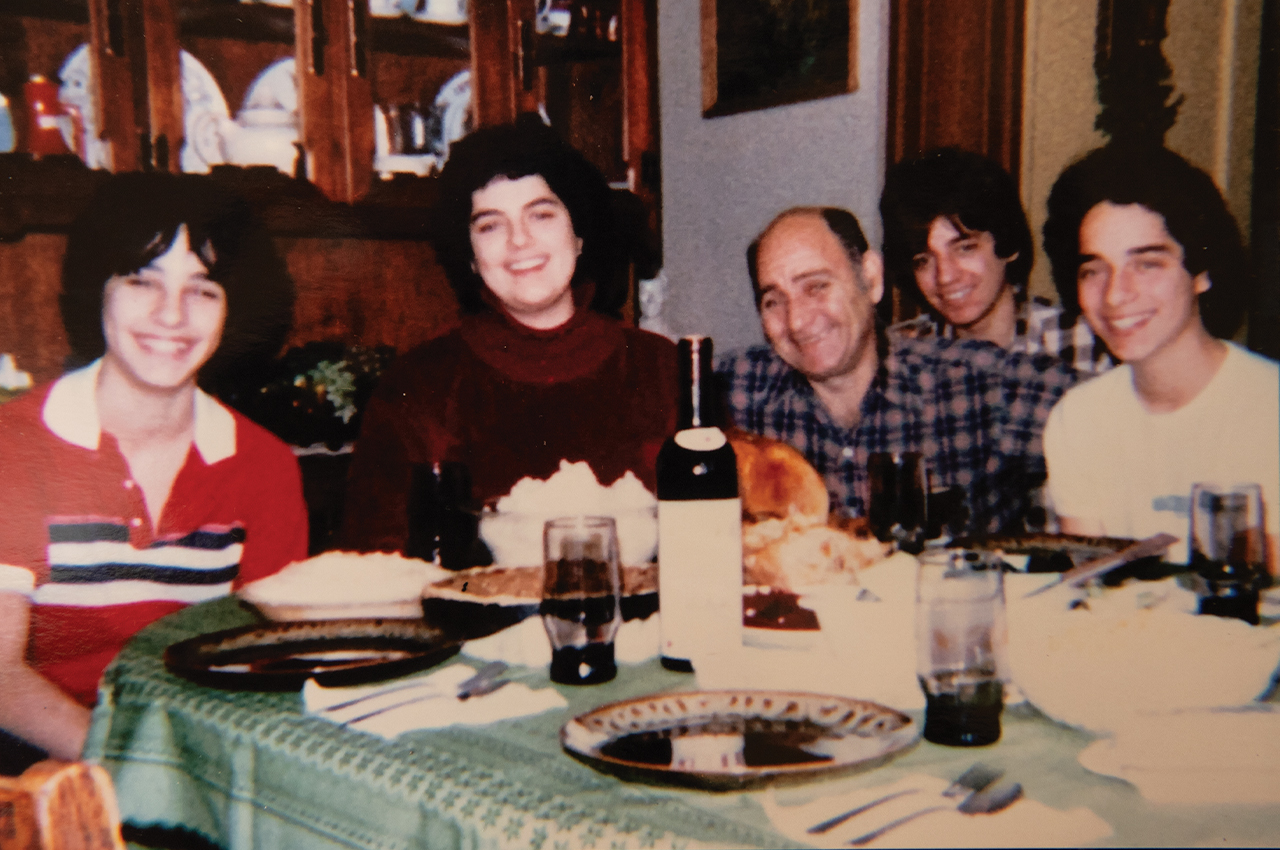

Chef George Formaro (pictured above in red) with his siblings and father.
Every year around the holidays, I seem to have at least one foot in the past.
OK, that’s a lie. I usually have both feet planted firmly there. But I love thinking about the food of yesteryear — old cookbooks, old restaurants, old ovens and recipes that don’t seem to make sense anymore until you spend enough time figuring out where they came from.
At Christmas, it becomes more personal. I think about my mom. I think about my brothers and sister. The neighbors dropping in. People crowding around the table and standing in the kitchen. The noise, the smells, the anticipation of what was, and still is, my favorite night of the year.
Growing up in an Italian-American family from Calabria and Sicily, Christmas Eve wasn’t the quiet night before Christmas. It was chaos, wonderful chaos. My mother called dinner the Feast of the Seven Fishes, but I don’t remember anybody counting to make sure there were actually seven. That wasn’t really the point.
There was spaghettini with slow-simmered squid sauce. Fried calamari. Stuffed calamari. Breaded fish. Later on, we added whiting. We ate tiny fried smelts, bones and all.
And baccalà. Always baccalà.
The salt cod had to soak for days, with the water changed again and again. There was always that little bit of anxiety before cooking it. Did we soak it long enough? The fish would let us know.
My mother made it with tomatoes, olives and capers. Another version had hot peppers from my father’s garden. Then there were the wild onions — not the sweet cipollini we see today, but bitter little onions that had to be peeled, boiled and cooked agrodolce with vinegar, sugar and hot pepper. I haven’t seen them in years.
I think that’s part of what makes me so nostalgic now. Things disappear.
An ingredient disappears from the market. A neighborhood changes. An old stove gets hauled away. Someone who knew exactly how something was supposed to taste is suddenly no longer sitting at the table.
I never knew my grandparents. They were gone before I was born. But I knew the things they left behind. My grandfather built the wood-fired oven my nonna baked in. For years, the remains of that oven stood in the backyard of the house where I grew up.
Every time I went back to that house, I’d wander over to that crumbling oven and stare at it. To most people, it probably looked like a pile of old bricks. To me, it was history. It was a way of knowing people I never had the chance to know in person.
My family canned tomatoes, roasted peppers and put food away for winter. My grandfather made sausage with a cast-iron grinder that I still have today. They grew grapes and made wine.
Those things mattered.
I’ve spent much of my life trying to understand food this way. The older I get, the less interested I am in being the chef who creates something nobody has ever seen before. These days, I’m more interested in making sure I’m not the last person to make something. So more and more, I find myself looking backward.
Recently, while researching the history of Iowa food, I became almost obsessed with oysters. Why were oysters such a big deal in a landlocked state? They appear in old Iowa cookbooks, restaurant menus and holiday meals. Oyster stew. Scalloped oysters. Oyster dressing. I kept looking for an explanation of how something from the ocean became part of our Midwestern food traditions. Then it dawned on me how funny that question was: For my entire childhood, Christmas Eve dinners were filled with seafood that didn’t come from anywhere near Iowa.
Salt cod from the North Atlantic had somehow become indispensable to families in southern Italy and then traveled with those families when they sailed to America. Squid, smelts and whiting followed us to Christmas Eve tables in the Midwest.
Yet I never questioned any of it. Of course we ate baccalà. It was Christmas Eve.
Maybe that’s how a food finally becomes part of a place. Someone brings it with them. Someone else learns to cook it. Children grow up eating it. And eventually, those children make it for their children, and somewhere along the way nobody remembers that it was ever unusual. It simply becomes ours.
I don’t believe traditions need to remain frozen exactly as they were. I’m a chef. I’ve spent my life changing things, borrowing ideas, learning techniques and finding different ways to tell old stories. But I also think you need to know what came before you.
Every Christmas Eve when I cook these foods again, my mother is somehow in the kitchen. My siblings are young again. The neighbors are dropping by. And maybe, through the food and the things they left behind, I get a little closer to the grandparents I never knew.
There’s bread on the table, something frying on the stove and probably far too much food coming. For a few hours, everybody is back in the same room.
Maybe that’s the real reason we hold so tightly to holiday food. Recipes are one of the few ways we’ve figured out how to travel through time.
You soak the baccalà.
You fry the calamari.
You make the sauce.
You put the platters on the table.
And for one night every December, if you’re lucky, you get to go home again.
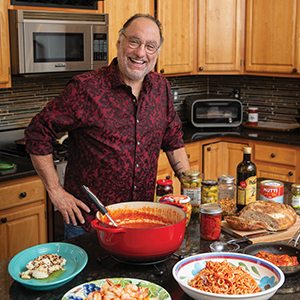
George Formaro made a few dishes from his family’s Feast of the Seven Fishes tradition.
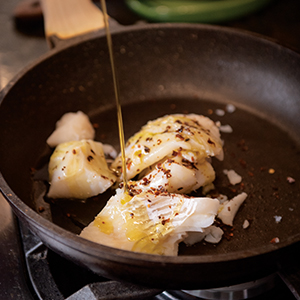
Baccalà is a holiday staple.
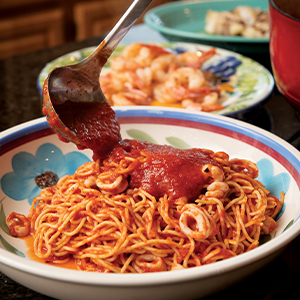
Spaghettini with calamari.
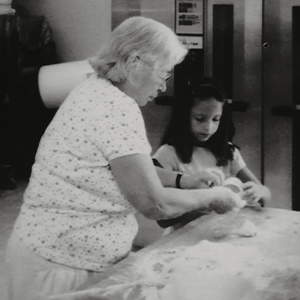
Formaro’s mother, Gina, teaches his daughter Bella how to make dough. “This is our family love language,” he said.
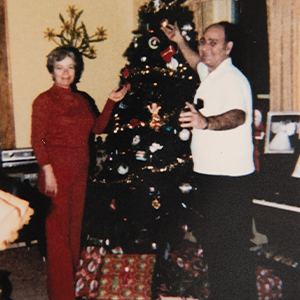
Formaro’s parents, Gina and George, would decorate the entire living room together for the occasion.
Contributor George Formaro is a six-time James Beard Award nominee chef partner with Orchestrate Hospitality and the culinary mastermind behind Centro, Gateway Market, South Union Bread Cafe and Zombie Burger.




Show Comments (0)