

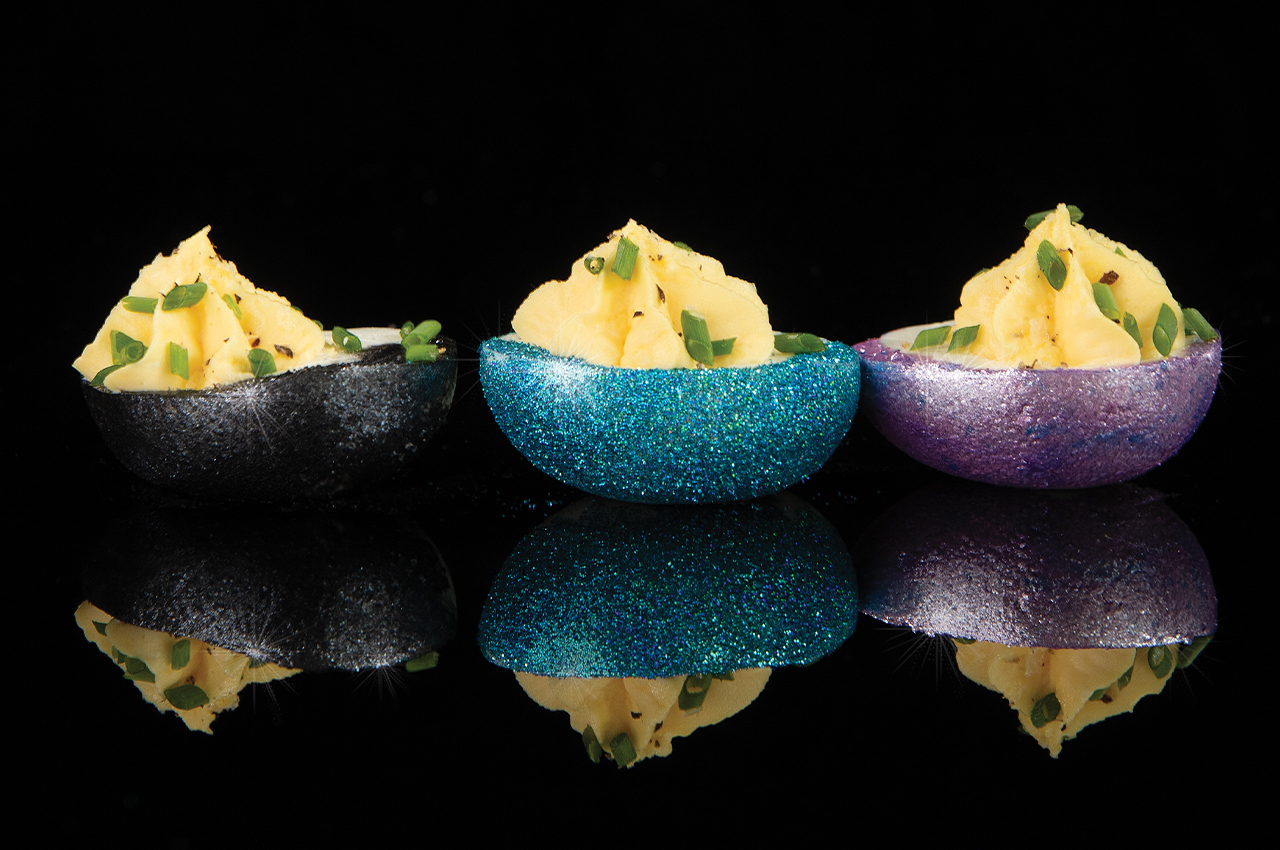

For the holidays, visions of sugarplums are just the beginning. A pinch of edible glitter can transform almost anything, including green (or purple or blue) eggs and ham.
Stylist: Sammy Mila
Photographer: Duane Tinkey
Writer: Michael Morain
The holiday season arrived early this year for Sammy Mila, who owns Crème Bakery. When we invited her to cook up a feature about edible glitter, she emailed back almost immediately: “OMG, this is the food styling request of my dreams!”
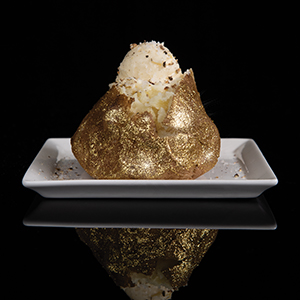
Turns out, she’s something of a glitter guru. She’s been using it for years to bedazzle desserts, but during our photo shoot at the bakery just off Ingersoll Avenue, she showed us how to cast a sparkly magic spell over savory dishes and even familiar fare, like a baked potato.
That’s the fun of edible glitter: It’s not just for cookies and cakes. A bit of shimmer can make an ordinary dish feel festive and unexpected — after all, we eat with our eyes first.
So go ahead and turn your holiday dinner into a photogenic feast. And if someone asks you to bring a veggie tray, exceed their expectations. Sometimes it’s OK to be a little extra.
Glossy glossary
These days, you can buy edible glitter in various forms online or locally at Michael’s, Wal-Mart or other big retailers. Look for it in fine powders, gels, sprays or “luster dust,” which you can mix with alcohol to create a shiny glaze. A chunkier sprinkle called “disco dust” is glitzier but rarely edible.
Take note: You’ll see two kinds of culinary glitter. The “edible” variety is FDA-approved for consumption and labeled with a list of ingredients (usually starch, food coloring and preservatives). The “nontoxic” version is safe to eat, like crayons, but not intended for consumption. Obviously, don’t use regular craft glitter on food you intend to eat.
Twinkly techniques
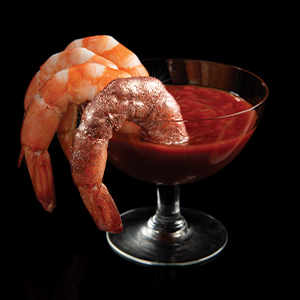
Edible glitter is easy to use, but exactly how you do it depends on the dish. It works on hot and cold food alike, but it’s best as a finishing touch since extreme heat can melt it or dull its shine. Stir it into a cocktail right before serving, so it doesn’t settle. Dab it by hand onto barely damp fruits or veggies. For foods with irregular surfaces, like shrimp, mix the glitter with a little water and paint it on with a small brush. For a larger dish, like a cake, use store-bought spray or scoop a bit of dry glitter into a mesh strainer and gently tap it to dust the surface.
Savory shimmer
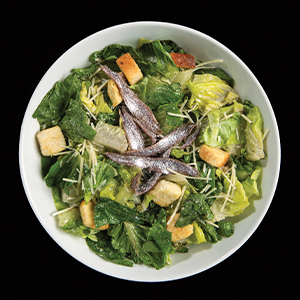
Sweet treats are the obvious choice for a glow-up, but savory dishes can shine, too. Since most glitter is flavorless, you can add a visual pop to buttered popcorn, queso or even a few anchovies atop a Caesar salad.
Spice-rack stardust
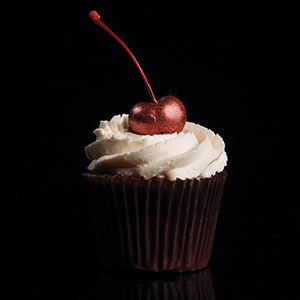
Edible glitter is essentially makeup for food: You’re not changing the dish, just giving it a little extra drama. Even a pinch of sparkle can make a familiar dish look otherworldly without changing how it tastes. The trick is knowing when to stop. A light dusting can make a cherry glisten or a cake look celestial. Too much, though, and dinner starts to look like a craft project.





Show Comments (0)